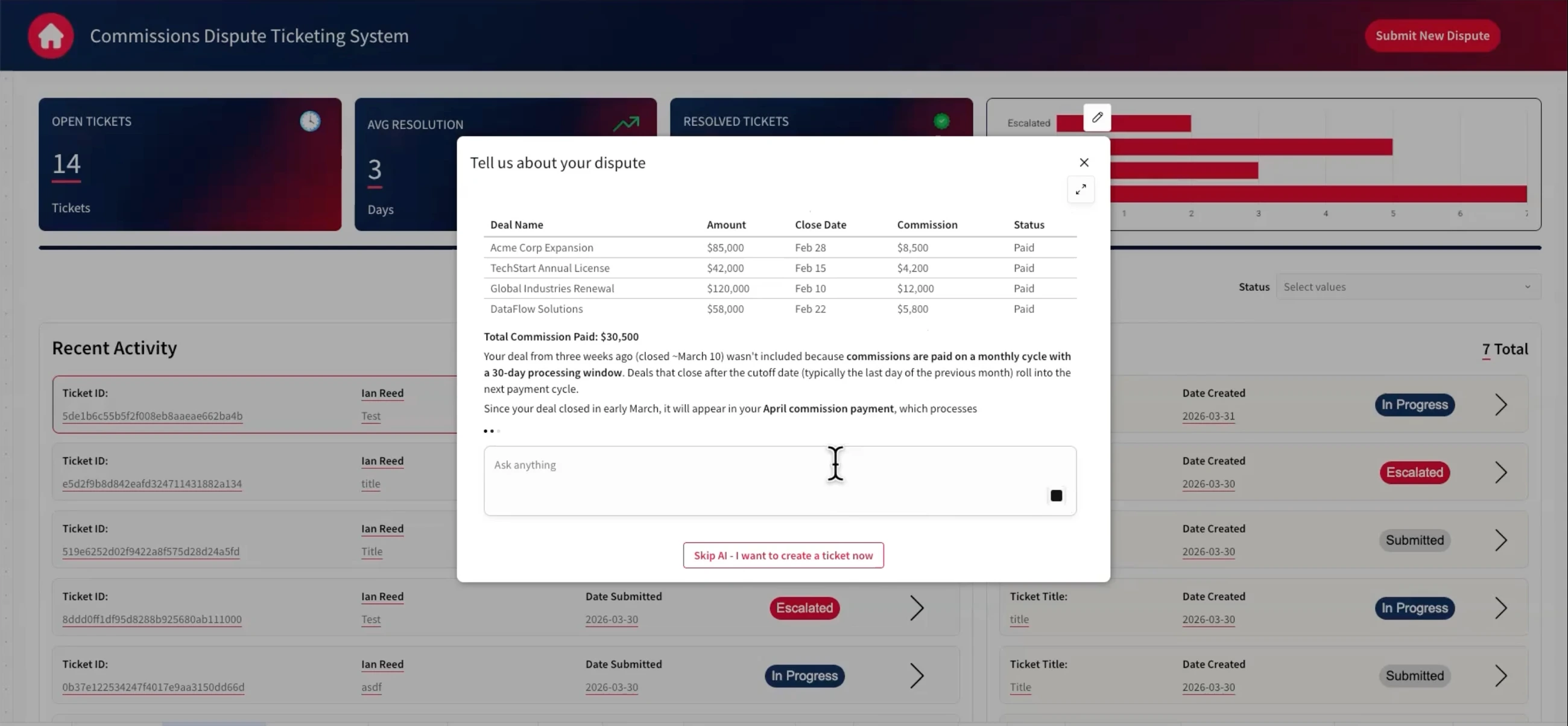

The spreadsheet your team already trusts
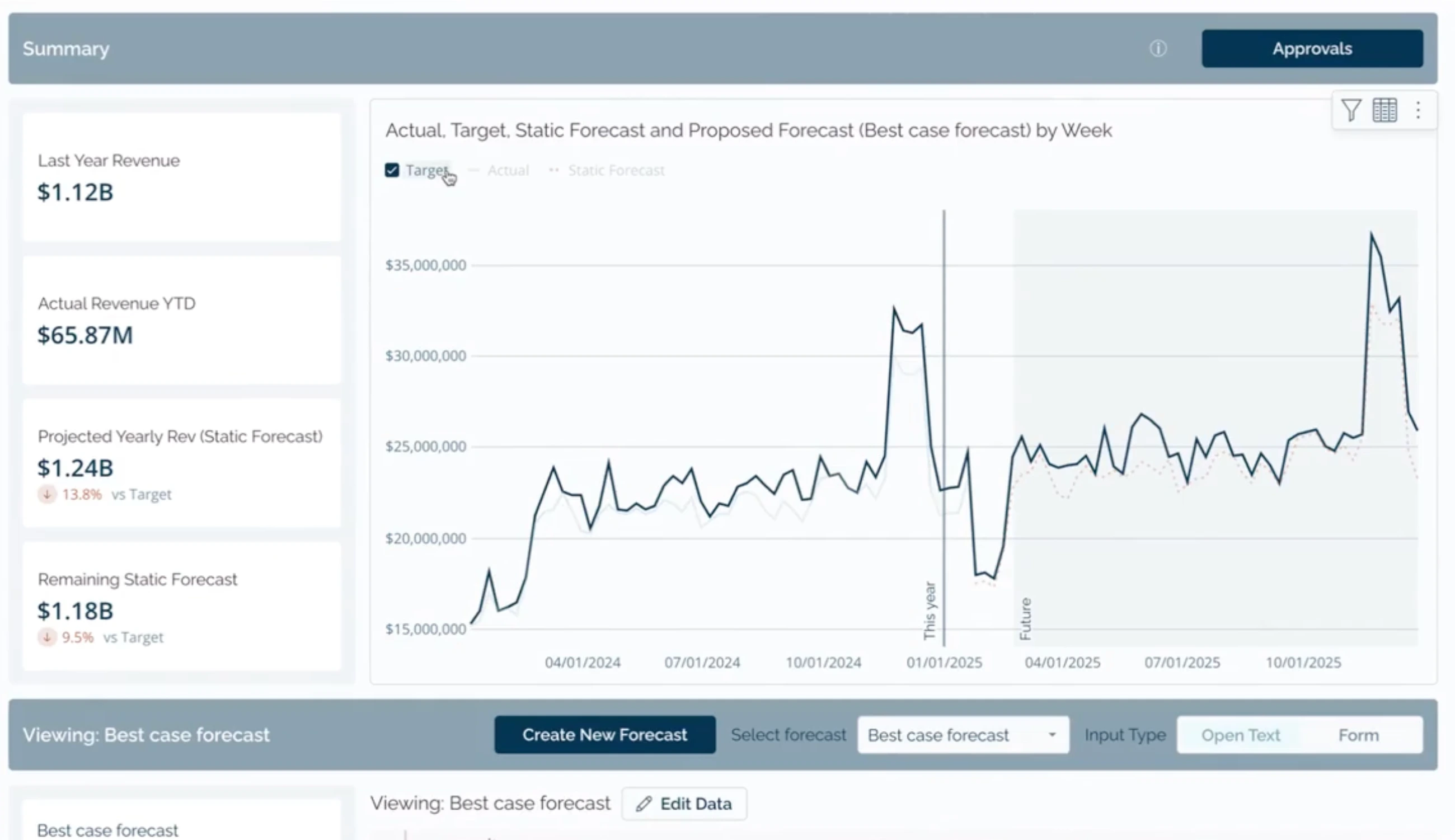
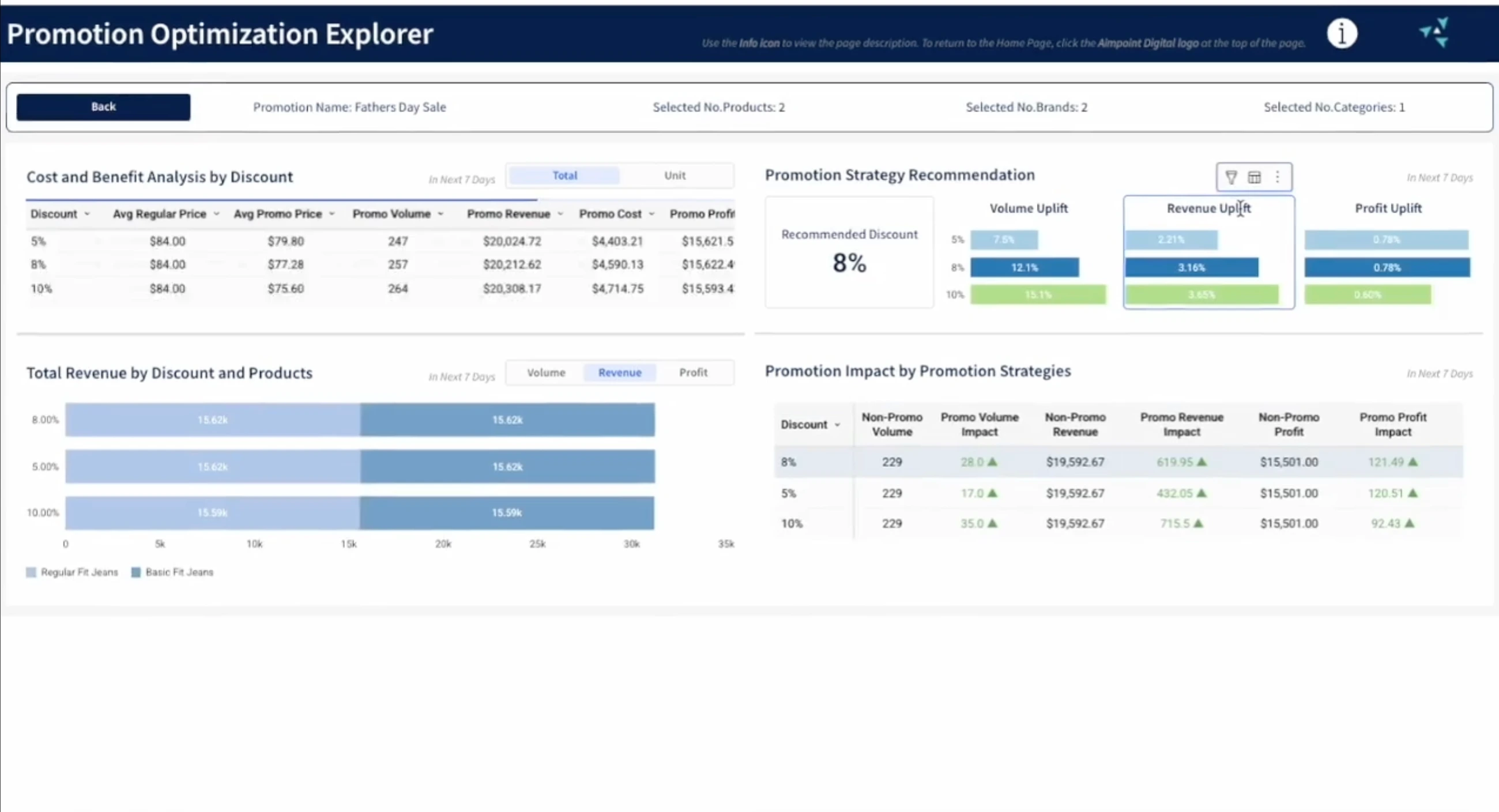
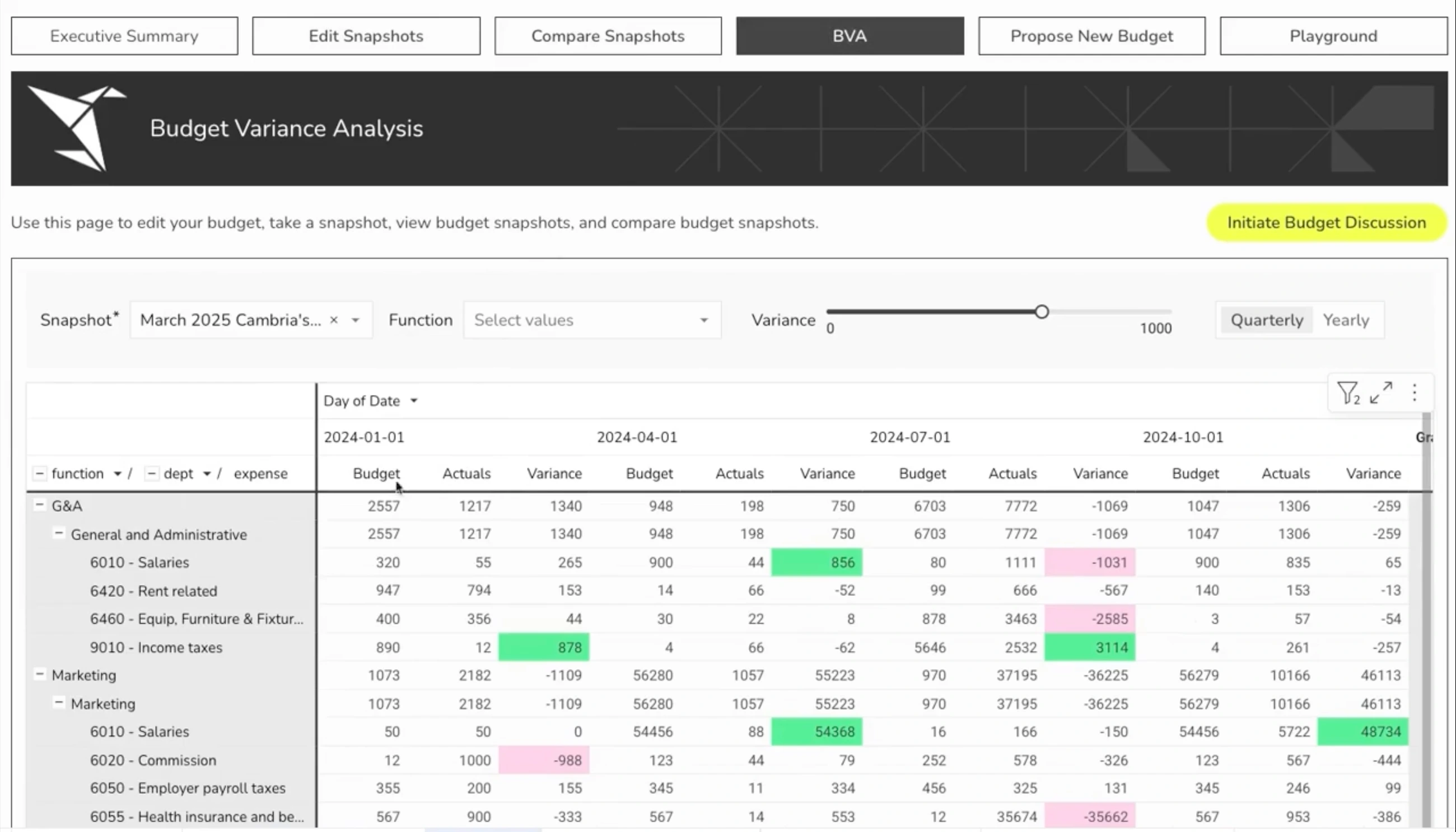
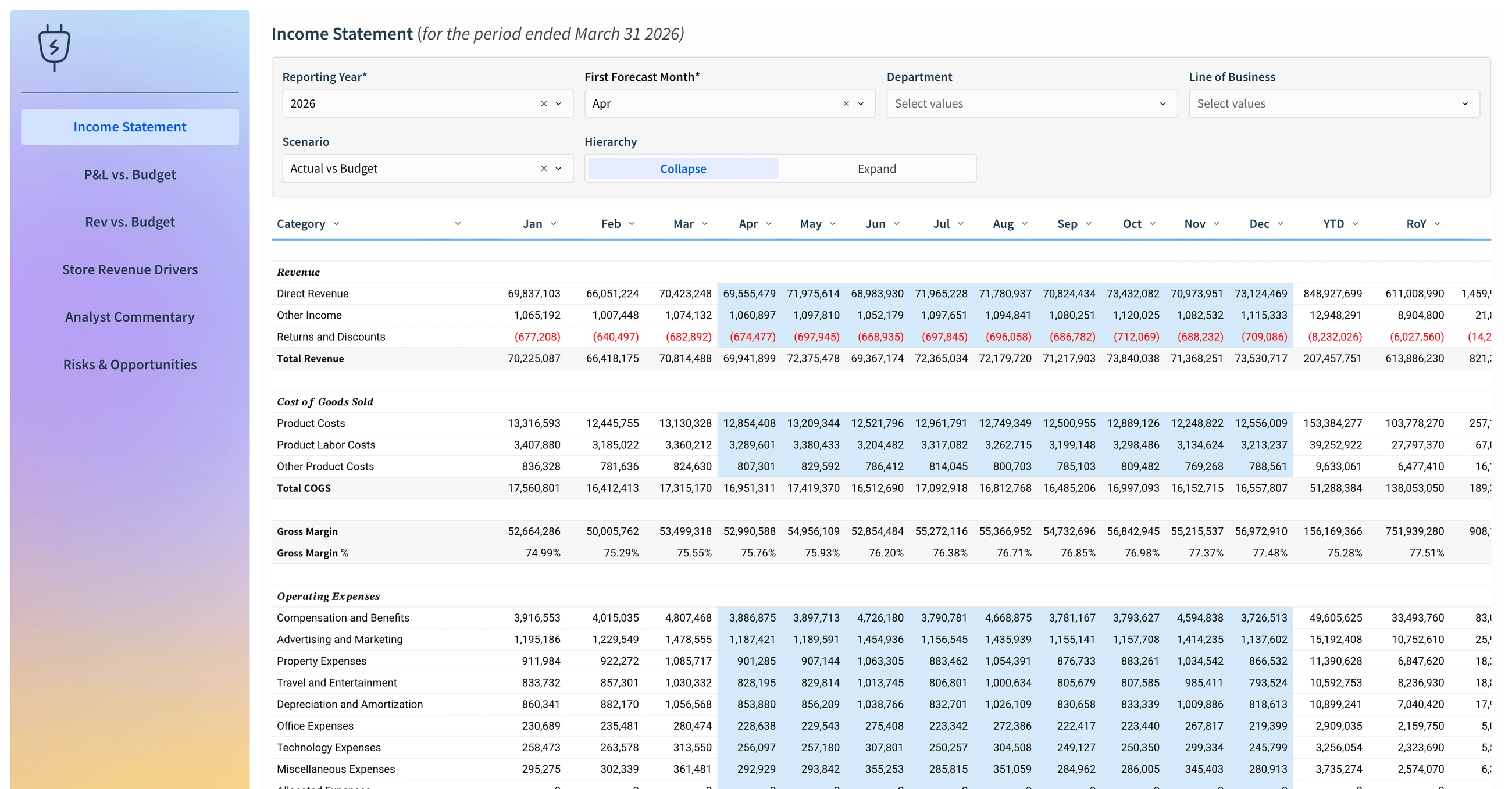
Sigma works like the spreadsheet operators live in, except every number underneath is the same governed source of truth. Familiar on top, solid underneath.
On governed data
Sigma is the analytics surface that works like the spreadsheet your team already trusts, on governed data, with AI agents that answer in plain English. We turn it into analytics operators use, because adoption beats elegance every time.
Most analytics stop at a dashboard that looks impressive in the demo and goes unopened by week three. The team exports everything back to the spreadsheet it trusts.
Adoption beats elegance. The surface has to feel like where operators already work, with governed data underneath, or the investment never gets used.
Analytics your operators trust beats analytics that only impress.— Hitesh Mahajan, Founder, Aidapt
Sigma works like the spreadsheet operators live in, except every number underneath is the same governed source of truth. Familiar on top, solid underneath.
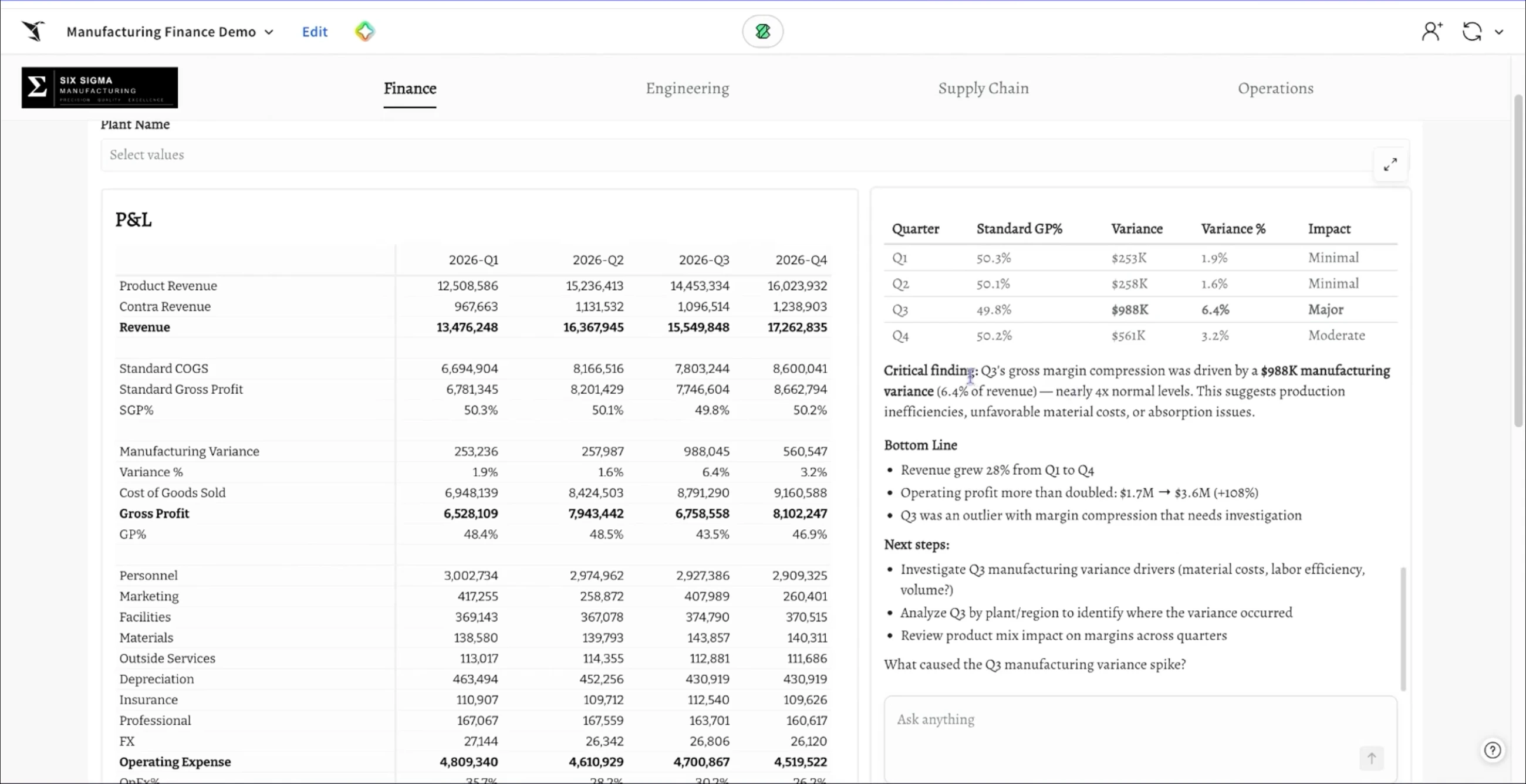
On governed dataYour team asks the next question themselves, drilling and filtering live, without exporting or waiting on the analyst. Curiosity stops being a ticket.
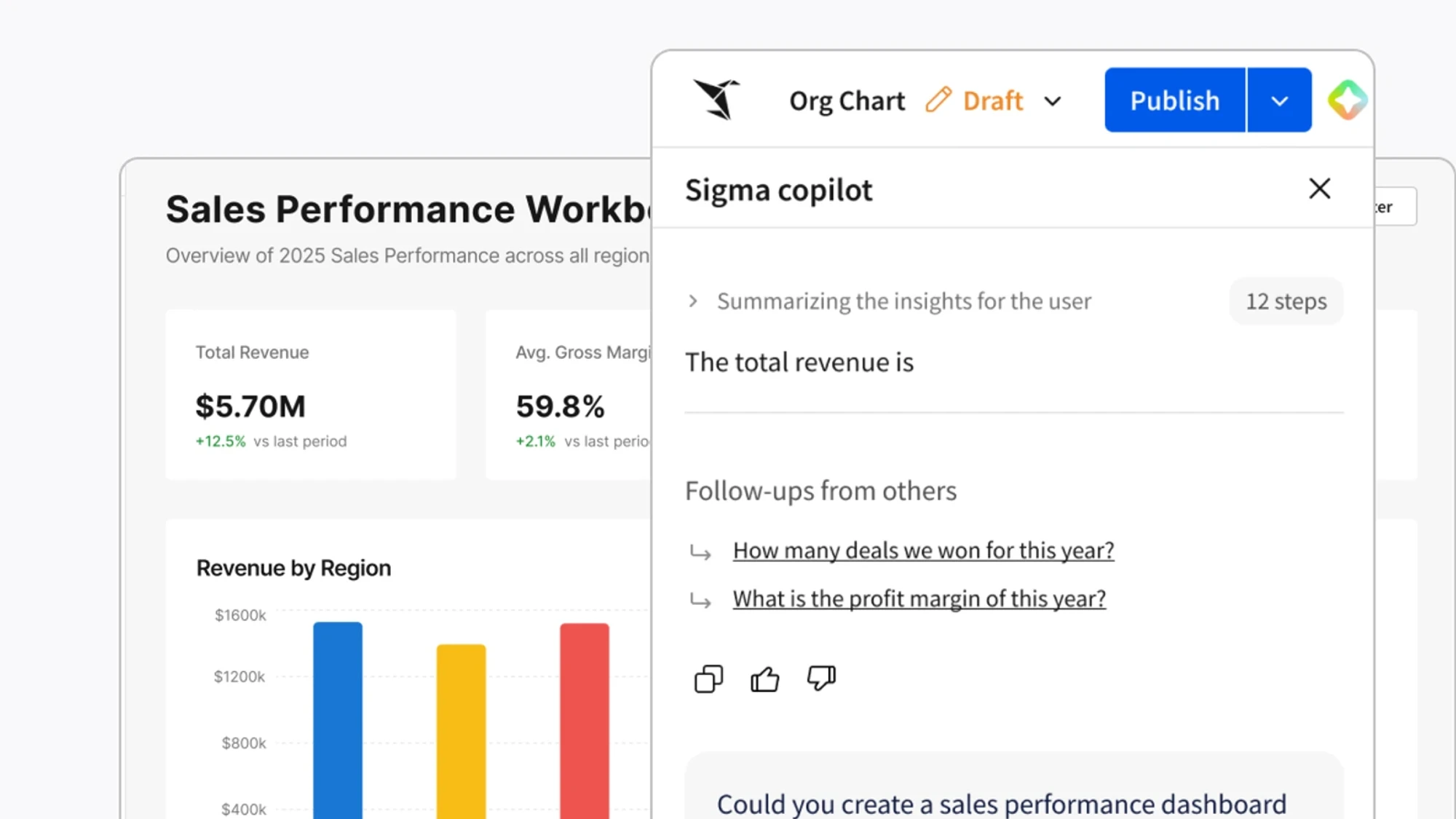
Self-serve, safelyAsk the workbook a question and an agent reads the governed model, surfaces the finding, and proposes the next step. The judgement stays yours, the legwork goes.
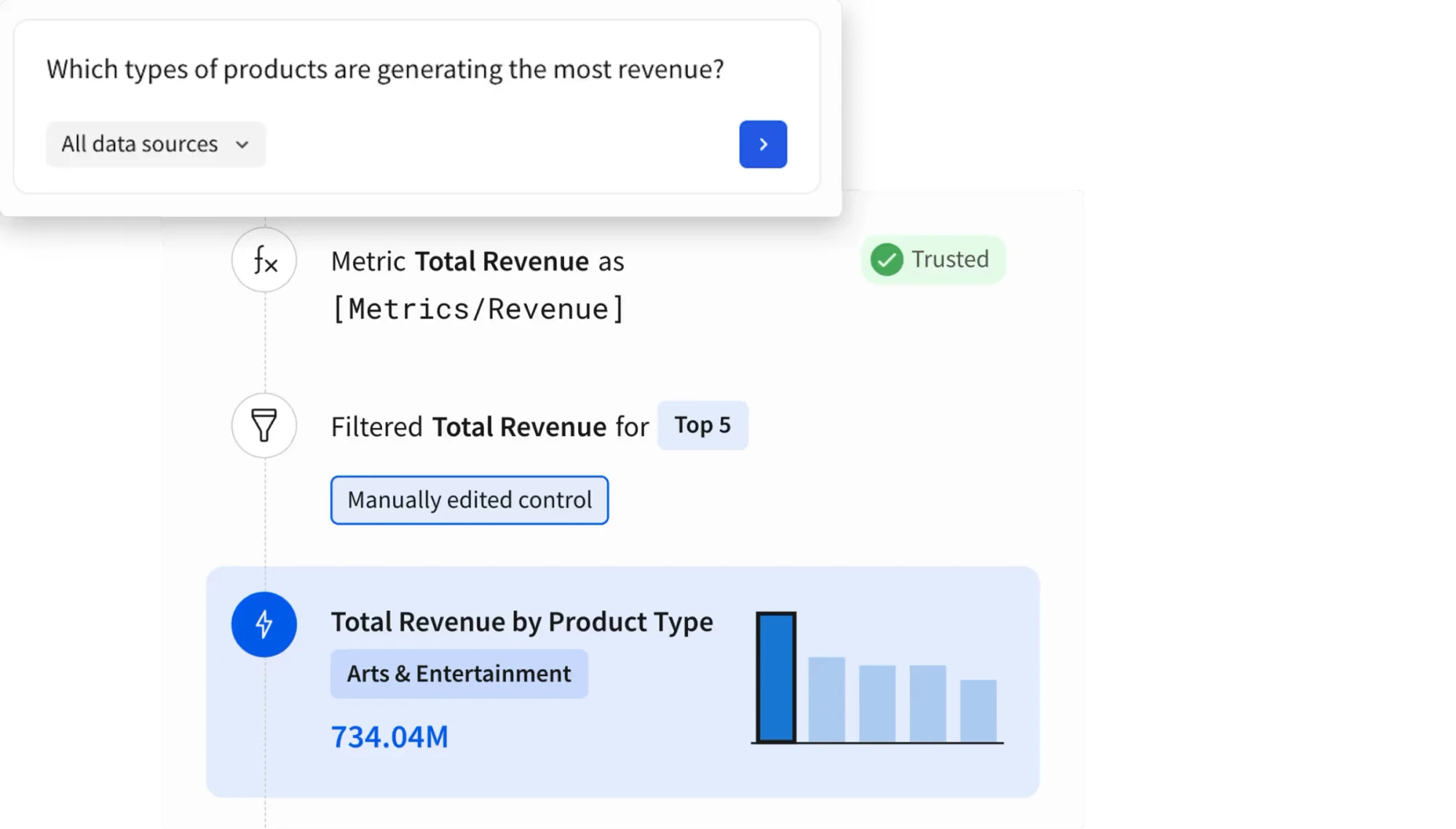
Plain English, governedLive, explorable views built for the people running the business, not just the analytics team.
A surface familiar enough that the team opens it on Monday, so the investment underneath actually gets used.
Exploration without the chaos: everyone explores, every number traces back to one source of truth.
The newest reason operators open Sigma: an AI agent that reads the same governed model the workbook does. It answers the next question, names what changed, and proposes the step after — so exploration is not gated behind the one person who knows SQL.
The same order every time. The diagnostic decides which decisions the surface serves before a single workbook is built.
We map the decisions your operators make, and where the current analytics lose them.
The workbooks, views and AI agents built on governed data, in the shape your team already thinks in.
Trained role by role in real work, so the surface is opened daily, not admired once.
Views extend as the questions change. The team keeps exploring without us.
Sigma works like the spreadsheet your team already trusts, on governed data. Adoption beats elegance: the team opens it because it feels familiar, and every number underneath is the same source of truth. We choose the instrument per engagement, and the diagnostic will say so if your context calls for a different surface.
It reads the same governed model the workbook does, so you can ask a question in plain English and get an answer traced to real data, not a guess. It surfaces the finding and proposes the next step, while the decision stays with the operator. We build the agents into the views people already use, so nobody has to remember to use the AI.
Sigma is the surface, not the foundation. It reads governed data, so it works best on a modelled source of truth. If that foundation is not there yet, the diagnostic will sequence it.
That is the whole point of choosing it. The surface is familiar enough that operators open it without training, and we embed it role by role in real work so adoption holds after launch.
You do. Your workbooks, your governed data, your team running it without us. We build the capability, then the surface keeps earning.
No. Every engagement enters through a diagnostic, not a tool. We read how your work moves first, then decide where the surface earns its place.
Every engagement enters through one doorway: a diagnostic, not a tool. Begin with a free Impact Analysis, or go straight to the Diagnostic when you are ready.